Protect the home
Active water can reach flooring, cabinets, drywall, and nearby equipment.
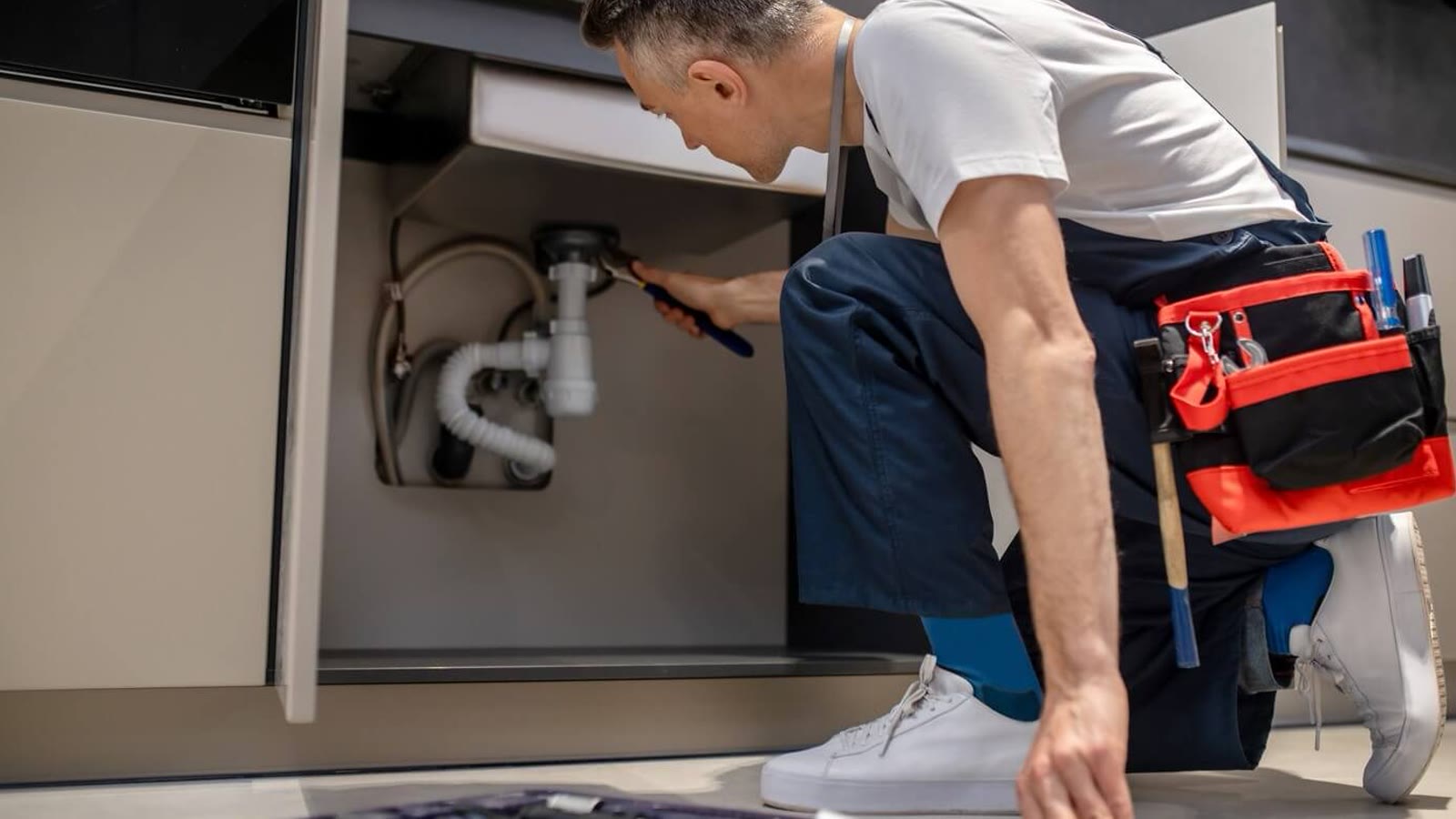
Plumbing help in Surprise, AZ
No plumbing vocabulary required. Tell us what you see, hear, or smell and where the problem is happening.
Call Surprise Plumber Service(623) 255-1434If it is safe, close the nearest fixture valve or main water shutoff and keep clear of wet electrical equipment.
Call for helpStart here
Pick the closest match. If none fits, call anyway. The symptom is more important than the label.
Faucets, toilets, supply lines, valves, fixtures, pressure, and unexplained water.
View plumbing repair help →Slow fixtures, recurring clogs, gurgling, odors, and possible sewer backups.
View drain help →No hot water, temperature swings, tank noise, discoloration, and moisture.
View water heater help →The easiest useful call
“The problem is in the ____. It started ____. I notice ____. The water is/is not still moving.”
You do not need the answer. You need a clear description of the problem in front of you.
Use that description now →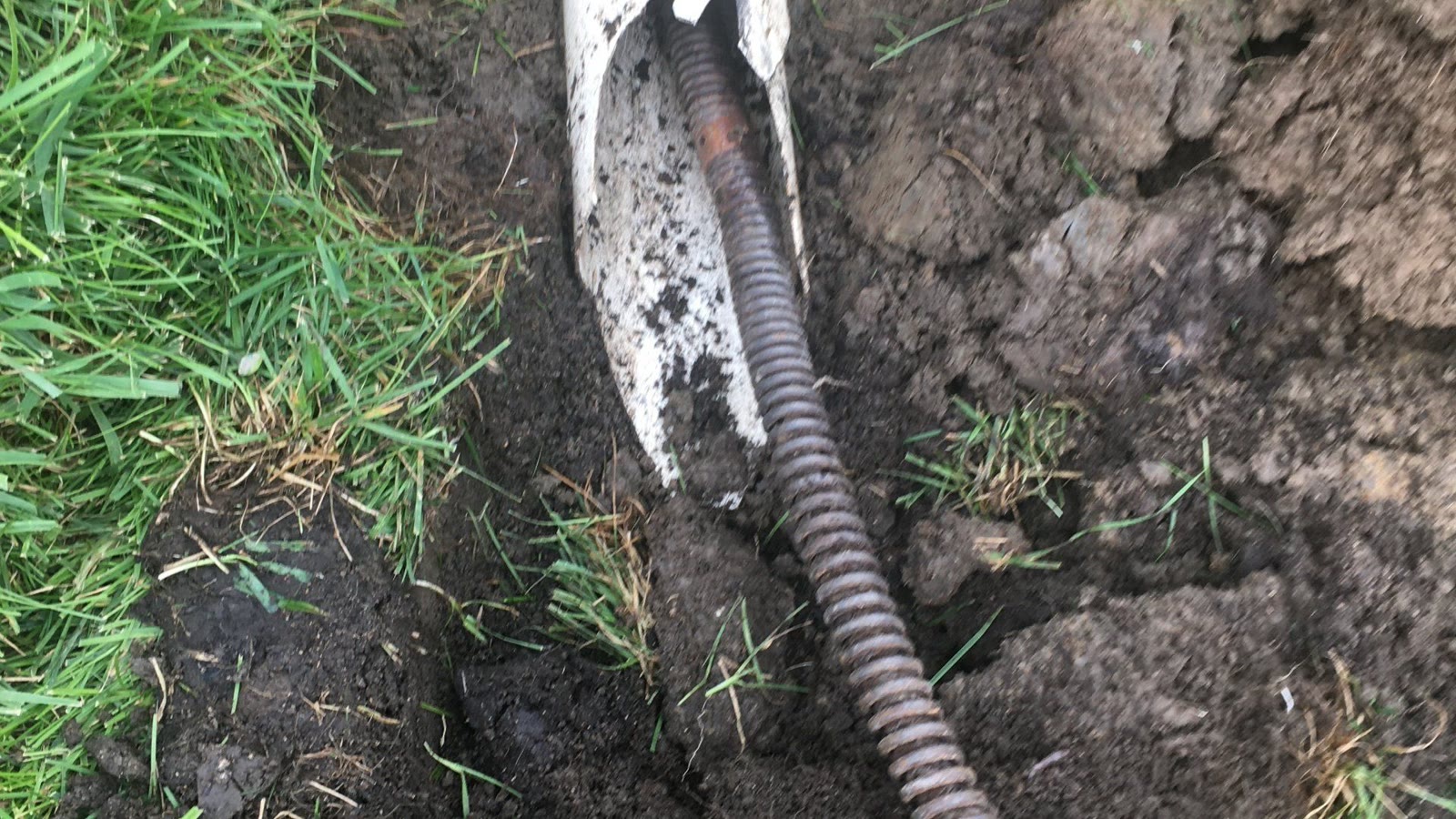
Why call before it grows?
Active water can reach flooring, cabinets, drywall, and nearby equipment.
A symptom pattern is more useful than replacing parts at random.
Clarify urgency, service-area fit, and current availability in one conversation.
Local context
Long heat exposure can be hard on outdoor valves and connections. Mineral accumulation can affect fixtures, shutoffs, cartridges, and water-heating performance. Mention whether the problem is indoors, outdoors, or near the water heater.
Why homeowners call us
For more than 15 years, our licensed and insured team has helped homeowners solve everyday plumbing problems with careful work and clear answers. We handle small repairs and larger system problems, so you do not have to call several companies.
Straight answers
No. Describe what is happening, where it is happening, when it began, and whether water is still moving.
Leaks, clogged drains, toilets, fixtures, water heaters, pressure changes, and other household plumbing concerns.
If it is safe, close the nearest fixture shutoff or main valve, protect belongings, and avoid wet electrical equipment.
Yes. Call to confirm current availability in Surprise and nearby communities.
Yes. Our plumbing team is licensed and insured, so you can call with confidence when work is needed in your home.
Our team brings more than 15 years of experience to leaks, drains, pipes, water heaters, fixtures, and sewer concerns.
Yes. We help with common repairs and replacement options when a fixture, water heater, pipe, or other part is no longer practical to repair.
Yes. Call when water is leaking, sewage is backing up, a pipe may be damaged, or an important fixture cannot be used. Tell us what is happening so we can discuss safe next steps.
Local service area
Still not sure what the problem is?
HOME PLUMBING FIELD GUIDE / Surprise
You do not need to identify the failed part before calling. A better starting point is the affected room, the exact behavior, when it began, and what makes it better or worse. Those observations help turn a vague concern into a useful service request.
Name the room and exact surface: beneath a sink, around a toilet, near an appliance, at a wall, or beside equipment. Location plus timing is more useful than a broad label like 'pipe leak.'
Explain whether the drain is always slow or changes after another fixture is used. Include sounds, odor, standing water, and any recent attempt to clear it.
Describe whether the change involves temperature, volume, recovery, color, sound, or moisture. These details keep unrelated cold-water and drainage symptoms out of the same diagnosis.
Compare several rooms and separate hot from cold. A change at one faucet may involve the fixture, while a whole-home change calls for a different review.
In Surprise, heat and mineral-heavy water can be relevant to fixtures and water-heating equipment, but they are only part of the picture. Comparing several fixtures helps distinguish a local component concern from a wider supply or drainage pattern.
Treat this as an observation list, not a diagnosis. It gives the Surprise service team a clearer place to begin.
Describe the Surprise problem in sequence: what was used, what changed, where water appeared, and what safe shutoff or cleanup step has already happened.
Call to discuss service